Solid-State Battery Research
The lab focuses on solid-state battery research to overcome traditional lithium batteries' safety and energy density issues, supporting environmental sustainability. It develops innovative solid-state electrolytes, refines electrode materials, and investigates ion transfer and interface stability to revolutionize battery technology.

High-efficiency solid-state batteries:
safety and environmental protection go hand in hand.
Solid state batteries: the inner art of performance enhancement.
- The inadequate ionic conductivity of solid-state electrolytes results in slower charging and discharging rates of solid-state batteries, which limits their performance in high-power applications.
- The solid-solid interface in solid-state batteries exhibits inferior interfacial compatibility and endurance compared to the solid-liquid interface, affecting the cycling durability and overall efficacy of the batteries, thereby limiting their long-term stability and reliability.
NEWARE: the precision control expert in solid-state battery research.
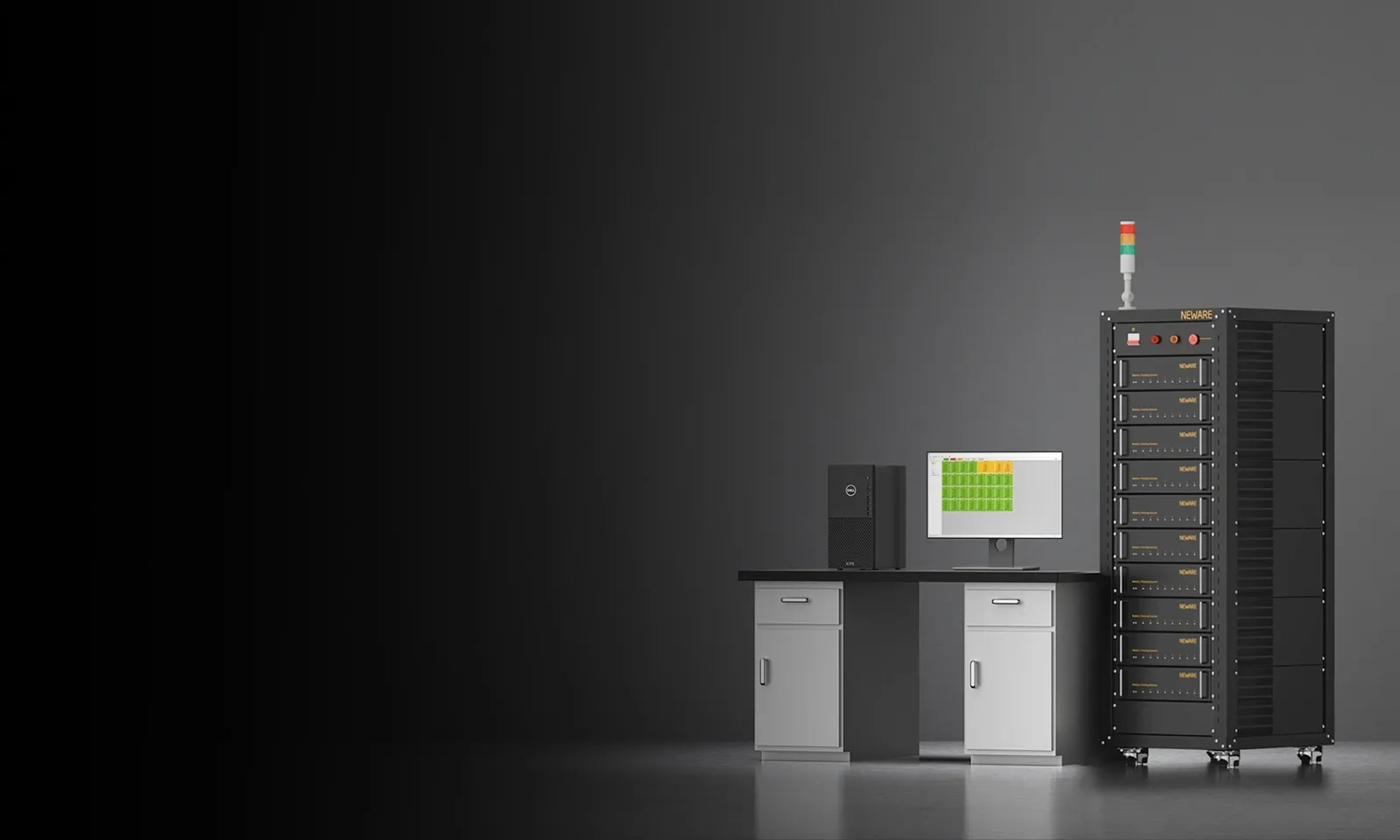
- High precision charge/discharge controlNEWARE Battery Testing System is equipped with high-precision current and voltage control functions, which can realize precise regulation of charging and discharging processes and optimize battery performance.
- Temperature monitoring and management systemNEWARE Battery Testing System can be linked with the Temperature Chamber (temperature control system), and work with the battery performance testing software BTS9.0 to control the temperature of the battery testing environment and reduce the impact of temperature fluctuations on the stability of the interface.
State of the industry standards for solid state battery testing.
Solid-state battery standardization focuses on electrolyte performance and testing, covering key indicators of inorganic oxide and polymer electrolytes such as electrical conductivity, thermal stability and mechanical strength.
Testing standards mainly include conductivity, mechanical properties, thermal stability, interfacial compatibility and safety testing, of which safety tests such as overcharge, short circuit, overheating, shock, cyclic charging and discharging, leakage and harsh environment tests are particularly critical to ensure the safety of batteries under various conditions of use and to enhance the confidence of the market and consumers.
As solid-state battery technology continues to advance, industry standards are gradually being formed, laying the foundation for the safe and efficient application of this innovative energy storage technology.
Integrated Temperature Control Testing
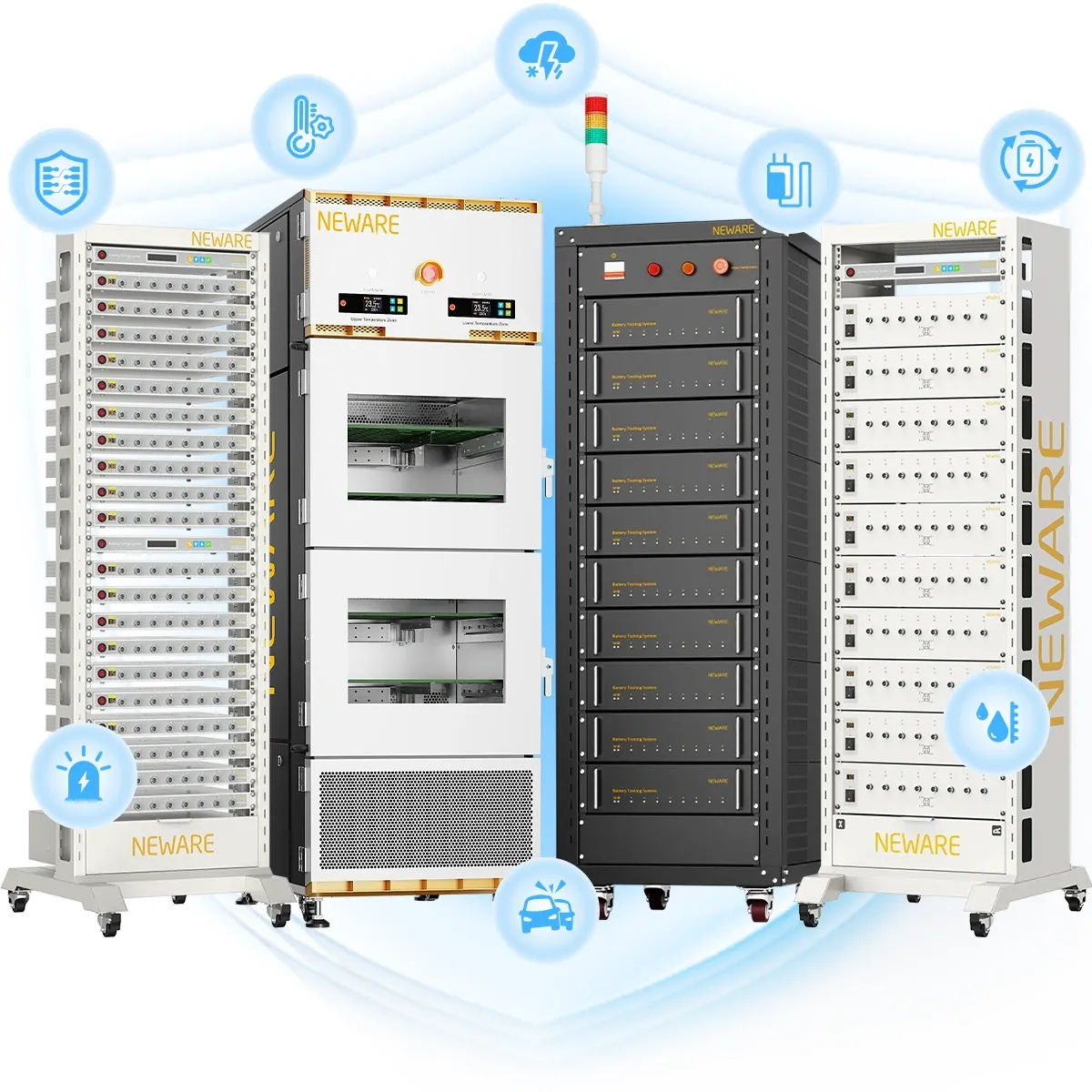
NEWARE has launched a series of integrated machine products that combine charging and discharging testing with temperature control for battery testing. During the battery test, constant temperature tests or high and low temperature tests can be conducted simultaneously, to fully evaluate the performance and thermal stability of solid-state batteries at different temperatures. It provides key data for the high-temperature endurance or low-temperature starting ability of the battery, thereby promoting breakthroughs and development of solid-state battery technology in extreme environment applications.
- Integrated Design: the integration of charging and discharging testing with temperature control functions simplifies the laboratory test process and reduces the complexity of wiring between devices, providing a more streamlined and efficient testing environment for the laboratory.
- Temperature Control: constant temperature testing ensures the consistency and repeatability of experimental conditions. It provides precise temperature control capabilities to assess the battery's cycle life under set temperature cycling conditions.
Standard Testing
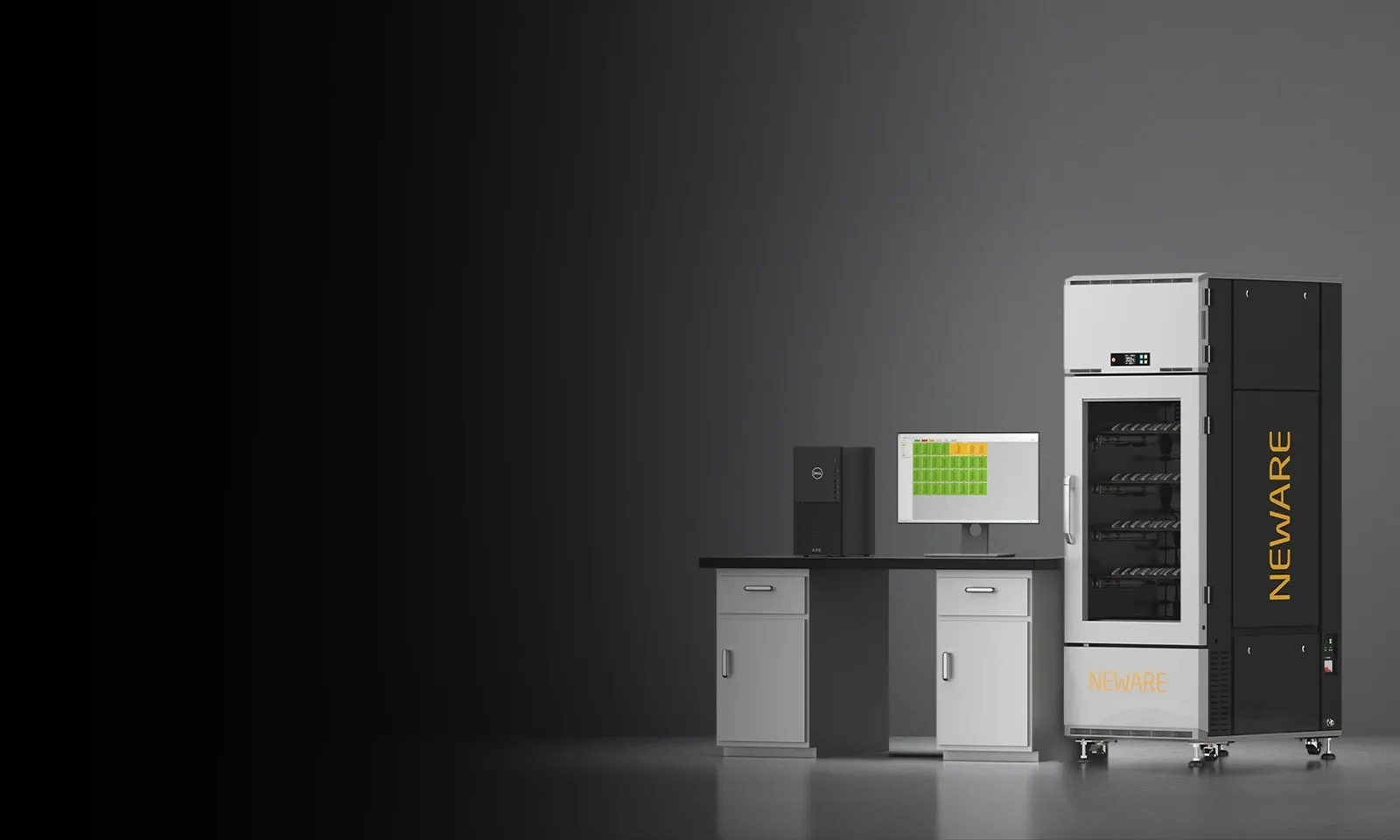
The laboratory employs Neware's 4 series battery testing equipment for comprehensive solid-state battery research, evaluating key performance metrics such as capacity, Coulombic efficiency, overpotential, rate performance, cycle life, and temperature response.
- Integrated Testing Solutions:the system offers a suite of electrochemical tests tailored for the intricate demands of solid-state battery research, providing detailed insights into battery characteristics at various stages of development.
- Flexible Configuration: it supports a wide array of solid-state battery test protocols, accommodating different battery dimensions and specifications, and facilitating the assessment of innovative materials and configurations.
- User-Friendly Design:the equipment features an intuitive interface coupled with robust data processing software, simplifying the testing process and enhancing research efficiency.
- In-Depth Data Analysis:it provides detailed data recording and analysis capabilities, aiding researchers in monitoring the long-term performance and stability of solid-state batteries, and informing ongoing technology refinements.
Ultra-High Precision Testing
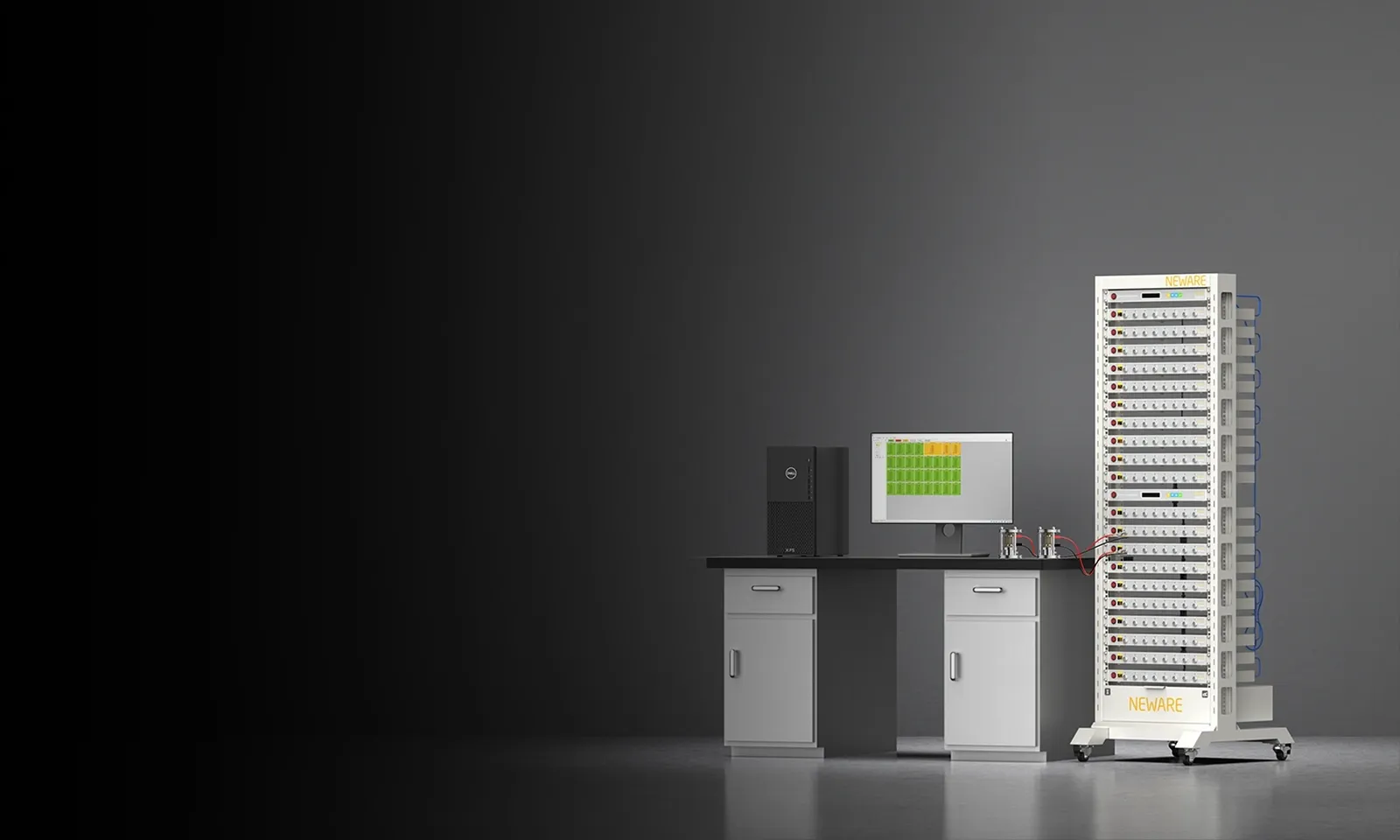
9th series of charging and discharging equipment has a high recording frequency, which allows for precise capture of subtle changes in battery current and voltage. This enables in-depth analysis of the battery's transient response and stability, as well as the study of the interface stability between the electrolyte and electrodes, optimizing their electrochemical performance.
- Precision Measurement Technology: it can achieve precise control and monitoring of the current and voltage during the charging and discharging process of solid-state batteries, meeting the rigorous requirements for test accuracy in the scientific research field, and providing reliable data for the analysis of the electrochemical performance of solid-state batteries.
- Electrochemical Activity Assessment:equipped with cyclic voltammetry (CV) testing capabilities, it studies the electrochemical window, redox potential, and reaction kinetics of solid-state batteries. By precisely controlling the voltage scanning rate, it can reveal the electrochemical activity of the solid-state electrolyte, providing key information for optimizing the selection of electrolytes.
- SMBus Communication: with battery communication capabilities, it can monitor the battery status in real-time, providing immediate information for material research and data analysis in the laboratory.