
All-in-One Battery Testing System
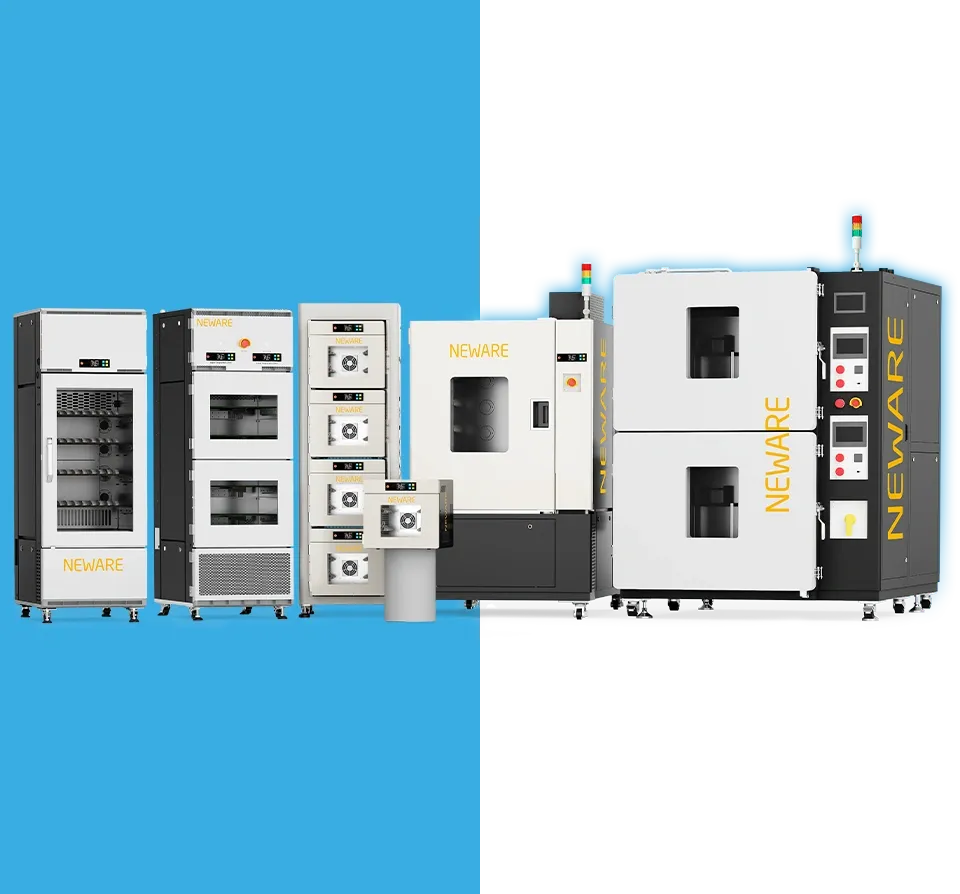
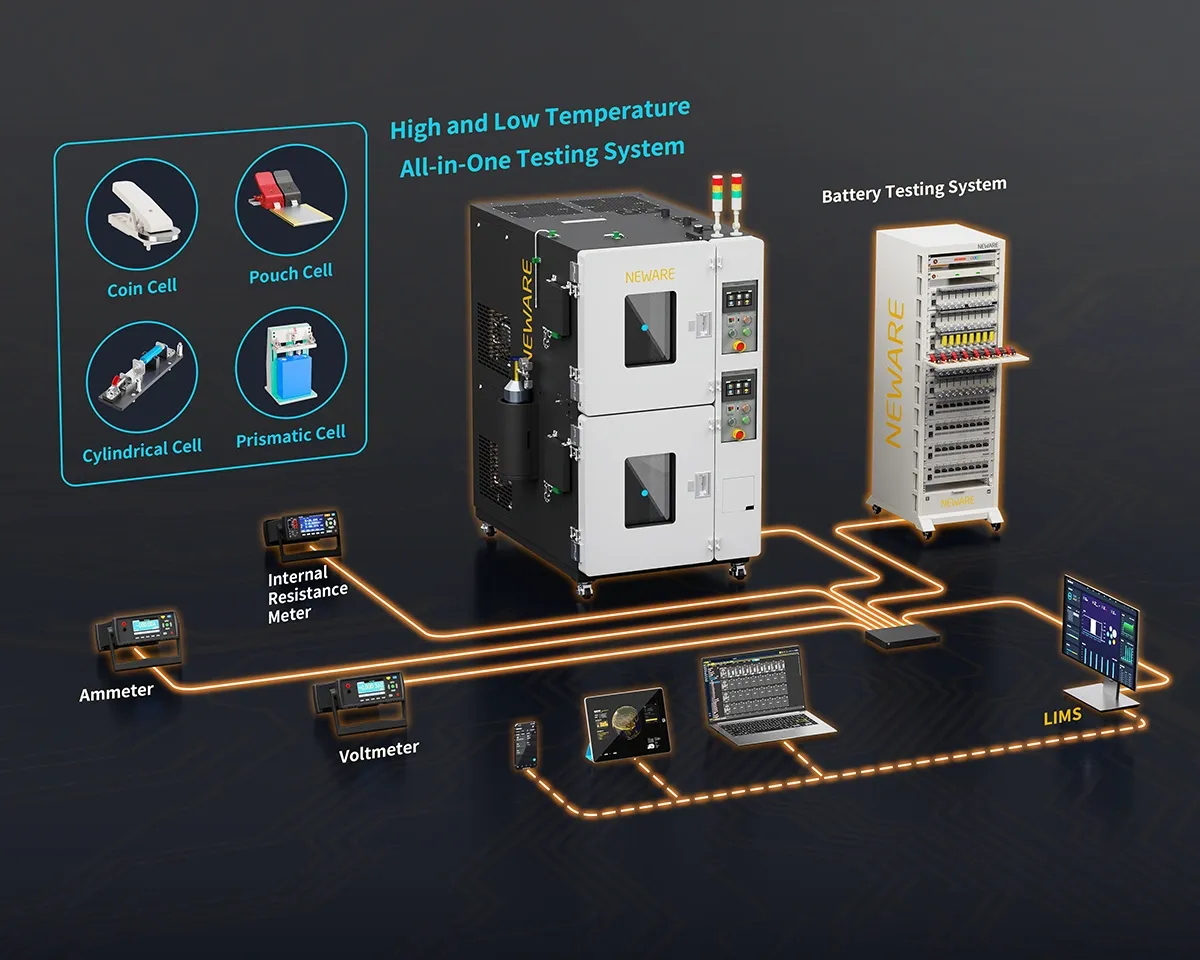
Integrating charge-discharge and temperature testing into one. NEWARE All-in-One Testing System seri...
Evaluates battery performance under specific or extreme temperatures, including capacity fade, thermal stability, safety cycle life, and other critical metrics, providing data-driven insights for R&D optimization.
Providing precise environmental control and testing solutions for battery R&D and production.
Integrated High-Precision Battery Tester.
Engineered for standard battery R&D and quality assurance (QA/QC) workflows — ensures consistent, highly repeatable thermal stability for long-duration cycling and performance characterization tests.
Engineered for advanced battery R&D and qualification testing — evaluate performance limits, degradation behavior and safety characteristics under extreme temperature exposure.
Configurable channel solutions for All-in-One Battery Test Chambers.
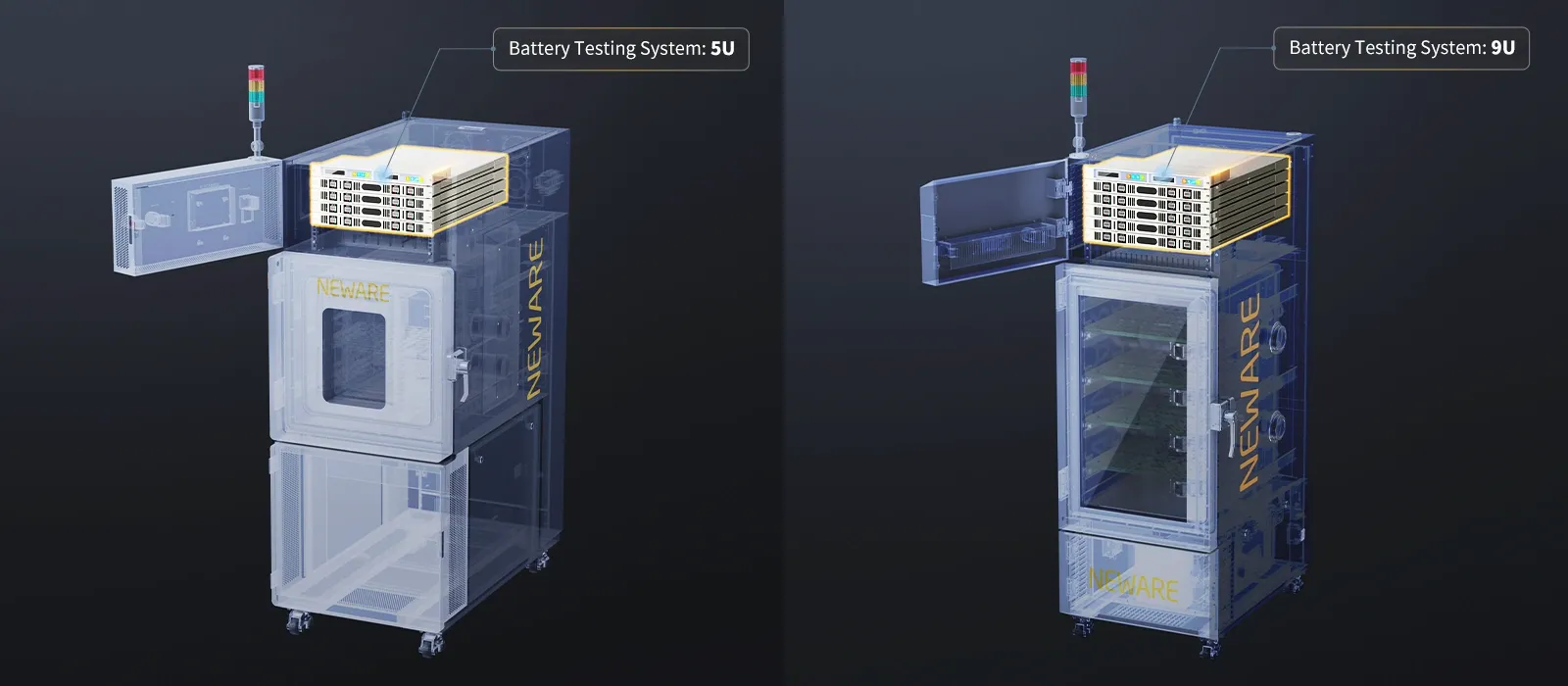
For All-in-One Test Chambers, the integrated battery testing channel capacity is governed by two core determinants: internal rack installation space (e.g., 5U, 6U, 9U, 12U, 32U) and test channel current rating (e.g., 100mA, 6A, 15A, 30A, 75A, 300A).
Higher-current rating channels require larger power modules and additional thermal isolation clearance, directly constraining the maximum number of channels that can be accommodated within a fixed rack space. Below is a concise reference guide for typical channel capacity per chamber model, based on internal rack space allocation and selected current rating.
Final system configurations are fully configurable during the project definition phase, enabling optimization of channel density, current capability, and long-term operational stability to align with your specific testing requirements.
| WHW-200L | WHW-400L | WGDW-100L | WGDW-200L | WGDW-400L | WGDW-400L2 | WGDW-800L2 | |
| (9U) | (12U) | (5U) | (6U) | (12U) | (12U) | (32U) | |
| BT-4000-5V100mA | / | / | 80CH | 160CH | / | 160CH * 2 | / |
| BE-4000-5V6A | 64CH | 80CH | 48CH | 64CH | 120CH | 64CH * 2 | 80CH |
| BE-4000-5V15A | 40CH | 64CH | 24CH | 48CH | 80CH | 48CH * 2 | 64CH |
| BE-4000-5V30A | 32CH | 64CH | 16CH | 32CH | 80CH | 24CH * 2 | 48CH |
| BE-6000-5V75A | / | / | / | / | 16CH | / | 16CH |
| BE-6000-5V300A | / | / | / | / | 4CH | / | 4CH |
Trusted testing solutions for global clients.
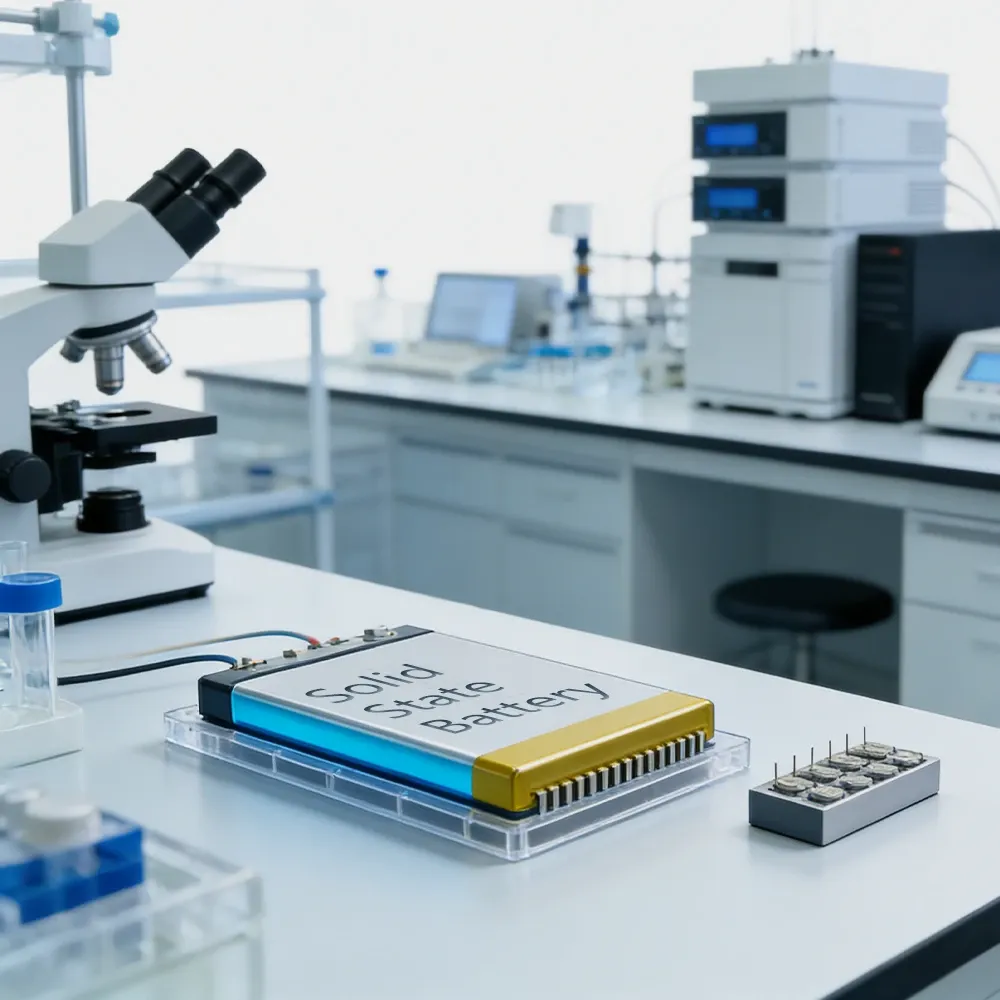
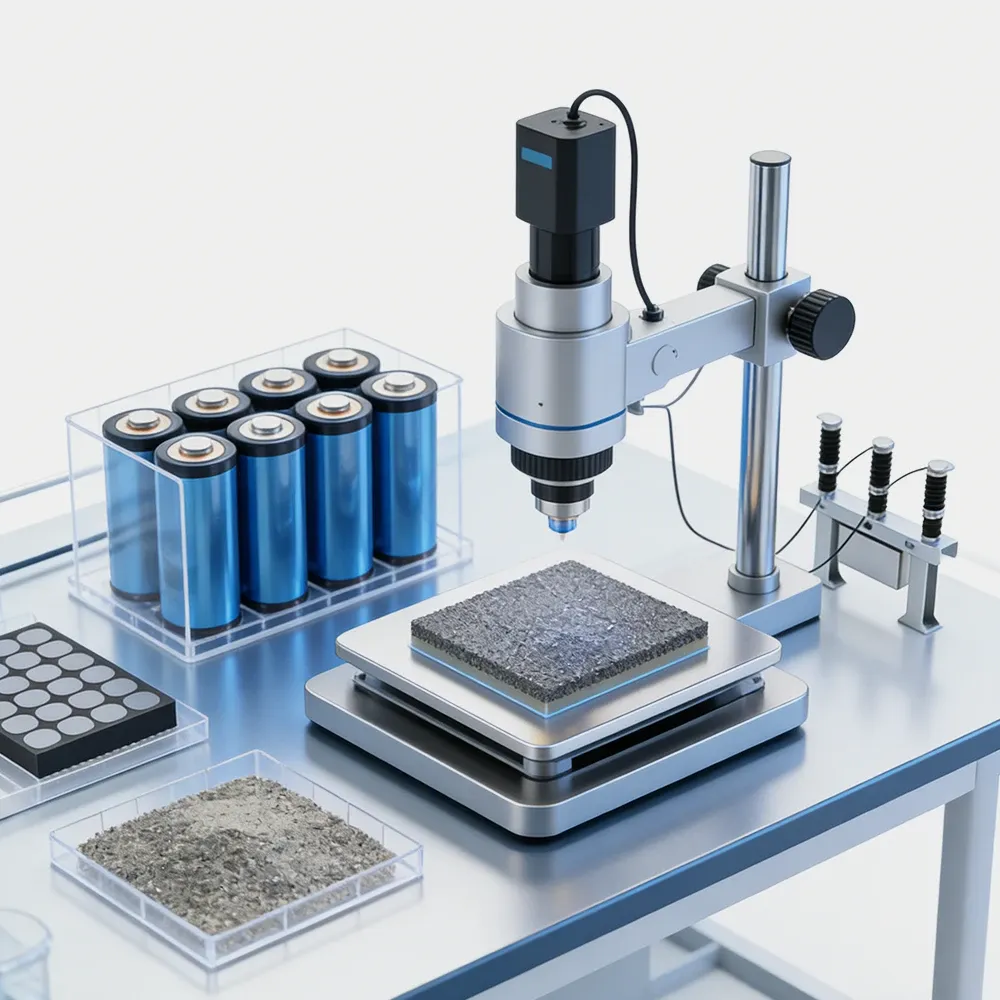
The lab focuses on solid-state battery research to overcome traditional lithium batteries' safety and energy density issues, supporting environmental sustainability. It develops innovative solid-state electrolytes, refines electrode materials, and investigates ion transfer and interface stability to revolutionize battery technology.
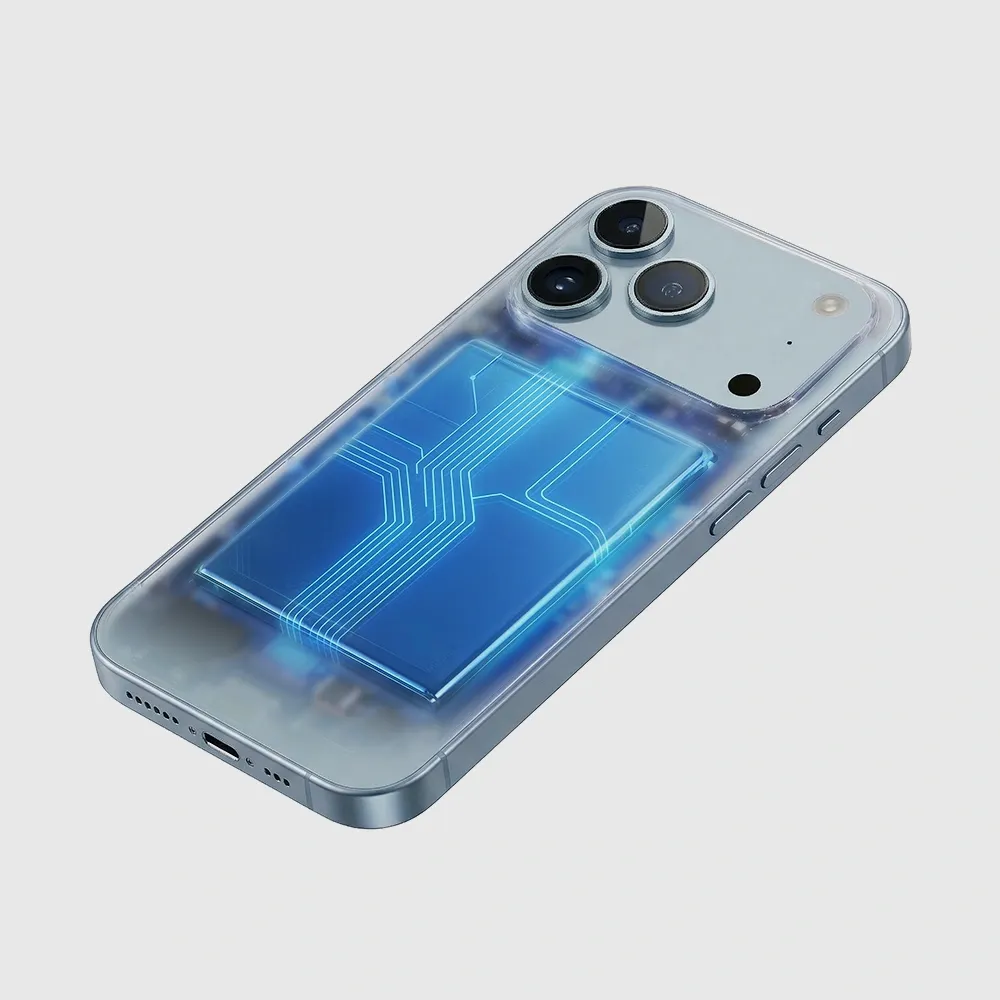
With the widespread use and increased frequency of cell phones, the endurance, safety, and lifespan of mobile phone batteries have become a focus of concern for both users and manufacturers. Cell phone batteries primarily use lithium-ion battery technology, but there are issues and challenges that drive the need for charge and discharge equipment to test cell
We specialize in battery preparation technology research, focusing on overcoming existing energy storage challenges by innovating in electrode materials, battery chemistry, and manufacturing processes to improve performance, enhance safety, and reduce costs. Sustainability and recycling technologies for batteries are also emphasized to mitigate environmental impacts and foster the growth of green energy.
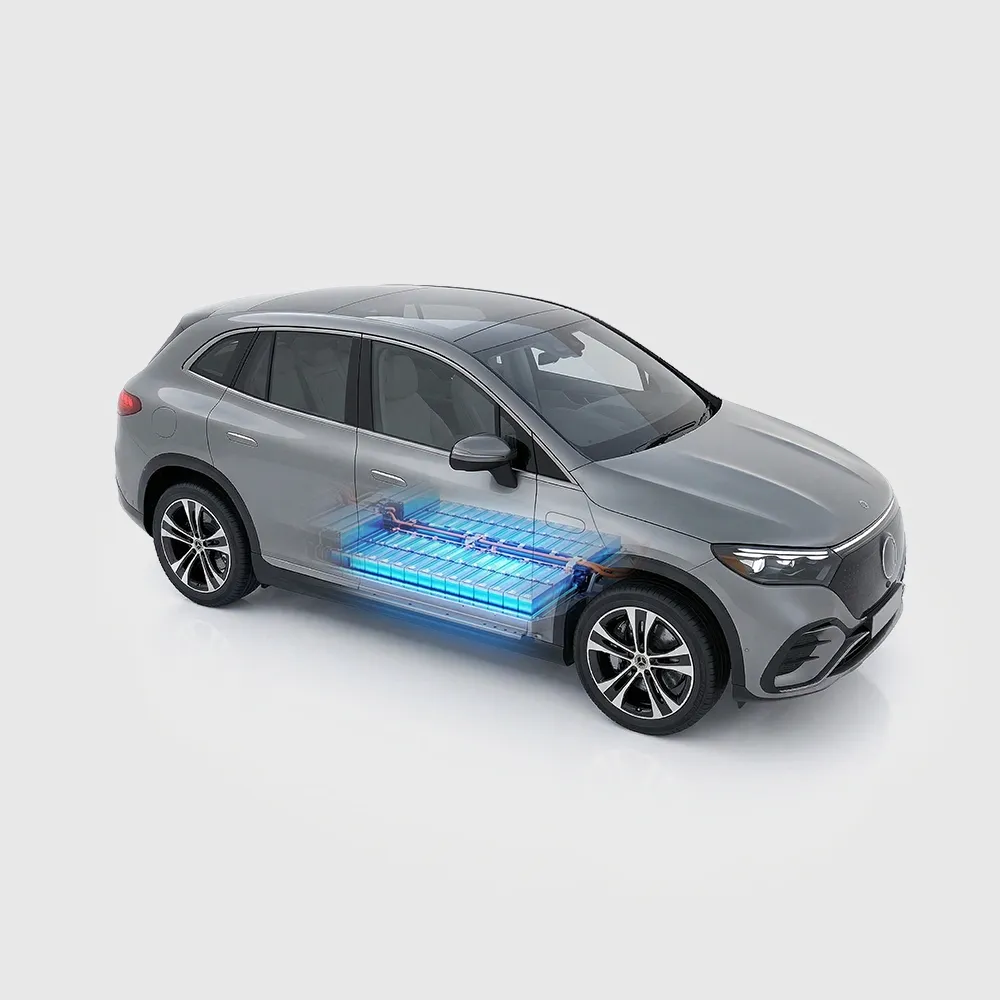
The electric vehicle battery industry is rapidly developing, focusing on technological innovation, market competition, and sustainability. Research hotspots include solid-state batteries, new types of electrolytes, BMS optimization, and recycling technologies. The environmental adaptability, safety, and economic viability of batteries are key research areas, and the industry is expected to undergo more innovation and transformation.
Integrating charge-discharge and temperature testing into one. NEWARE All-in-One Testing System seri...
NEWARE Environmental Test Chamber Offers a stable temperature and humidity environment for accurate...
NEWARE Environmental Test Chamber Simulates extreme temperature variations to test battery performan...

